
When to Take Pre-Workout: Best Timing for Energy, Strength, and Performance
Quick Answer
The best time to take a pre-workout supplement is 30–45 minutes before your workout. This allows ingredients such as caffeine, citrulline malate, and beta-alanine to be absorbed into the bloodstream and start working during your training session. Knowing when to take pre-workout can help maximize energy, improve focus, and enhance endurance during exercise.
For most gym-goers and athletes:
-
20–30 minutes before training → energy boost begins
-
30–45 minutes before training → optimal performance timing
-
60+ minutes before training → effects may start fading
When to take pre-workout is important because taking it at the right time can help maximize energy, improve focus, and enhance endurance during exercise.
What Is a Pre-Workout Supplement?
A pre-workout supplement is a type of sports nutrition product designed to improve energy, endurance, focus, and workout performance.
Most pre-workout formulas contain ingredients such as:
-
Caffeine – increases alertness and reduces fatigue
-
Citrulline malate – supports blood flow and muscle pumps
-
Beta-alanine – improves muscular endurance
-
Creatine or electrolytes – help support strength and hydration
If you’re curious about how these ingredients work, you can learn more in our detailed guide Pre-Workout Ingredients Explained: What Actually Works?
Understanding these ingredients can help you choose a supplement that fits your training goals.
Why Pre-Workout Timing Matters
Pre-workout supplements are designed to support performance, but their effectiveness depends heavily on when to take pre-workout.
Many of the active ingredients require time to reach peak levels in the body. For example, caffeine typically reaches peak concentration 30–60 minutes after consumption.
When to take pre-workout, if you know this then it can help:
-
Increase workout energy
-
Improve mental focus
-
Delay fatigue
-
Support better strength and endurance
Taking pre-workout too early or too late may reduce these benefits.
How Long Before a Workout Should You Take Pre-Workout?

Most sports nutrition experts recommend taking pre-workout 30–45 minutes before training.
This timing allows stimulant and pump ingredients to activate during your workout.
General timing guideline
| Timing | Expected Effect |
|---|---|
| 20–30 minutes before exercise | Energy begins to increase |
| 30–45 minutes before exercise | Peak performance window |
| More than 60 minutes before exercise | Energy may start decreasing |
For most people, 30 minutes before exercise works well and provides a balanced energy boost throughout the session.
What Happens If You Take Pre-Workout Too Early?
Taking pre-workout too early may cause the stimulant effects to peak before your training begins.
This can lead to:
-
Reduced energy during the workout
-
A mid-session energy crash
-
Lower focus during later exercises
For example, if pre-workout is taken 90 minutes before training, caffeine levels may begin declining before the workout even starts.
What Happens If You Take Pre-Workout Too Late?
Taking pre-workout immediately before exercise may delay the effects until the middle of your workout.
Possible outcomes include:
-
Slow energy buildup
-
Less benefit during early exercises
-
Reduced strength output at the beginning of your workout
To avoid this, give your body at least 20–30 minutes to absorb the supplement before training.
How Key Pre-Workout Ingredients Affect Timing
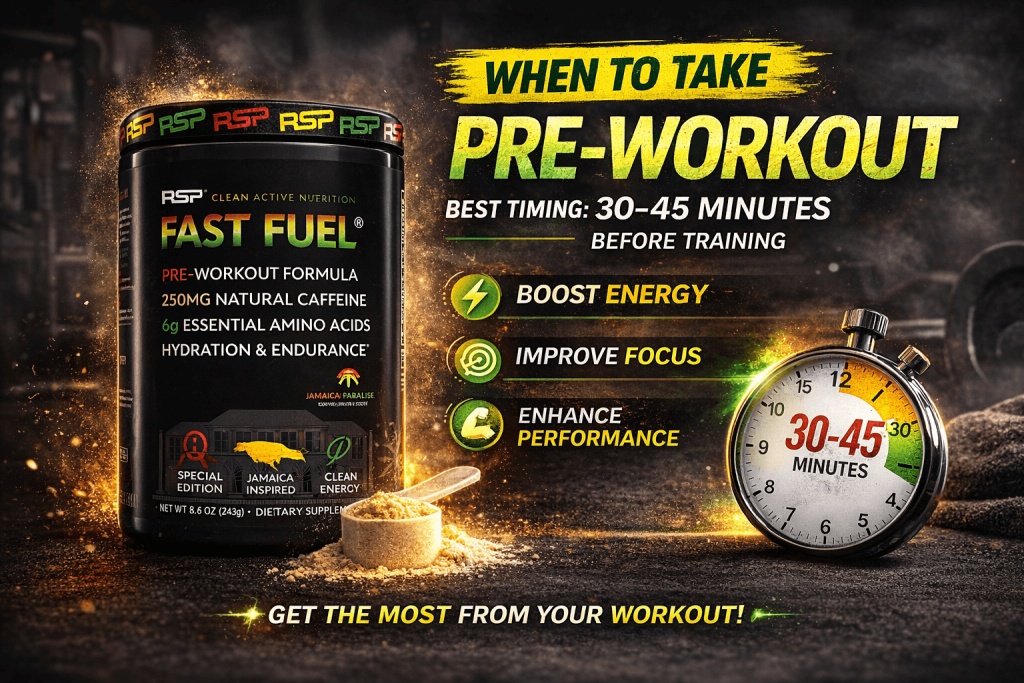
Different ingredients influence how quickly pre-workout supplements begin working.
Caffeine
Caffeine is one of the most common ingredients in pre-workout supplements. It increases alertness, improves focus, and helps reduce perceived fatigue during exercise.
According to the Mayo Clinic, moderate caffeine intake can improve alertness and reduce fatigue.
Citrulline Malate
Citrulline helps increase nitric oxide production, which improves blood flow and supports better muscle pumps during workouts.
Beta-Alanine
Beta-alanine helps buffer acid buildup in muscles, which can support endurance during high-intensity training.
Pre-Workout Timing for Different Types of Training
Strength Training
For weightlifting or resistance training, take pre-workout 30–45 minutes before lifting to support strength and muscle pumps.
Cardio Workouts
For running, cycling, or endurance training, pre-workout can be taken 20–30 minutes before exercise.
High-Intensity Interval Training (HIIT)
HIIT sessions require high levels of energy and focus. Taking pre-workout about 30 minutes before the workout can help support performance.
Should You Take Pre-Workout on an Empty Stomach?
Pre-workout can be taken with food or on an empty stomach, but the experience may vary.
Empty Stomach
Pros:
-
Faster absorption
-
Stronger stimulant effect
Cons:
-
May increase jitters for caffeine-sensitive individuals
With Food
Pros:
-
More gradual energy release
-
Reduced stomach discomfort
Cons:
-
Slightly slower absorption
Many athletes prefer taking pre-workout after a light snack about 30 minutes before training.
Choosing the Right Pre-Workout in New Zealand
When selecting a pre-workout supplement in New Zealand, it’s important to consider factors such as ingredient transparency, caffeine dosage, and quality of formulation.
Many athletes prefer products that include clinically studied ingredients and clear labeling.
If you’re looking for high-quality options available locally, you can explore our guide to Best Pre-Workout in NZ (2026 Guide) – Strongest, Non-Stim & Top Rated Options to compare some of the most popular supplements.
Can You Take Pre-Workout Every Day?
Most healthy adults can take pre-workout regularly, but it is important to follow recommended serving sizes.
Best practices include:
-
Avoid exceeding recommended dosage
-
Monitor caffeine intake from other sources
-
Avoid taking pre-workout late at night
-
Stay hydrated during workouts
If you train in the evening, consider choosing a lower-stimulant or non-stim pre-workout formula.
Tips to Get the Most From Your Pre-Workout
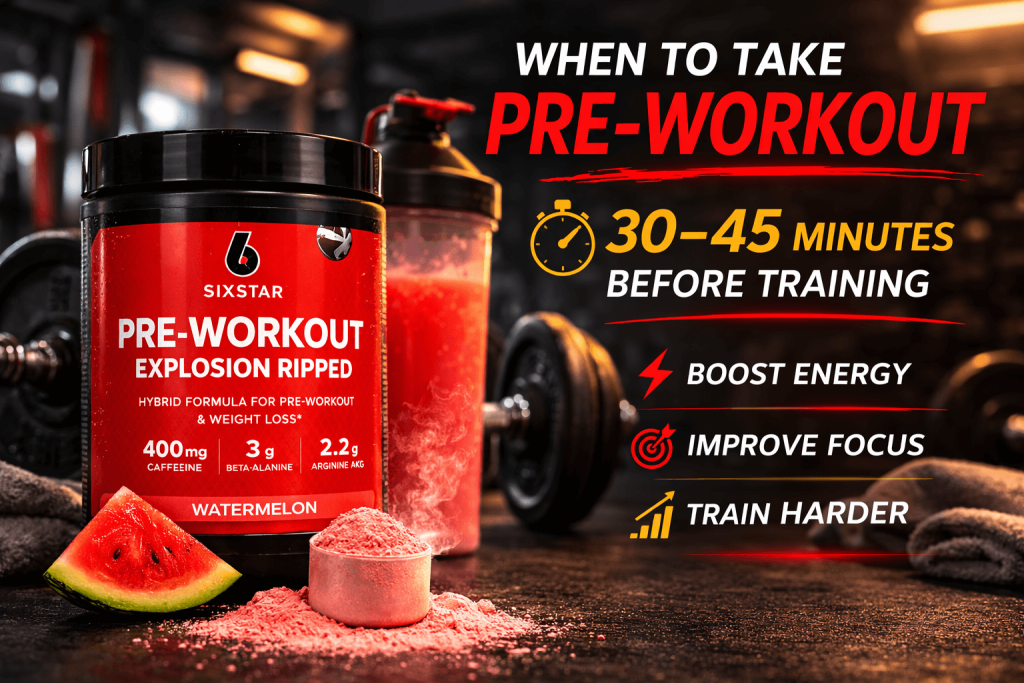
To maximize the benefits of pre-workout supplements:
-
Take it 30–45 minutes before exercise
-
Start with a lower dose if you’re new to pre-workout
-
Stay well hydrated
-
Avoid combining multiple stimulant supplements
-
Maintain consistent training and nutrition habits
Pre-workout supplements work best when combined with proper diet, training, and recovery.
Frequently Asked Questions
Most people should take pre-workout 30–45 minutes before exercise. This allows ingredients like caffeine and citrulline to be absorbed and start improving energy, focus, and endurance during the workout.
The effects of pre-workout typically last 2–4 hours. Stimulants like caffeine may remain active in the body longer depending on individual tolerance.
Yes, pre-workout can be taken on an empty stomach. This may lead to faster absorption and stronger energy effects, but some people may experience jitters or stomach discomfort.
Pre-workout supplements usually start working within 20–40 minutes after consumption. The exact timing depends on ingredients, caffeine dosage, and whether the supplement is taken with food.
Yes, beginners can use pre-workout supplements. It is recommended to start with half a serving to assess tolerance before using the full recommended dose.
Coffee provides caffeine for energy, but many pre-workout supplements also contain ingredients like citrulline malate, beta-alanine, & electrolytes, which may support endurance, focus, & muscle pumps during exercise.
Final Thoughts
Taking pre-workout at the right time can significantly improve energy, endurance, and training performance.
For most people, the ideal timing is 30–45 minutes before exercise, allowing key ingredients to reach peak effectiveness during the workout.
If you’re new to supplements, it’s helpful to understand how ingredients work and which formulas are most effective. If you’re looking for high-quality options to support energy, focus, and endurance, you can explore our range of pre-workout supplements in New Zealand available at ProBuilder.
Author: ProBuilder Nutrition Team
Content created for the ProBuilder blog focusing on sports supplements, fitness performance, and evidence-based nutrition.