
Protein is one of the most essential macronutrients in the human body. It is made up of amino acids that support muscle repair, immune function, hormone production, and overall cellular health. For people with active lifestyles—especially gym-goers, athletes, and busy professionals—meeting daily protein needs through food alone can be challenging. This is where whey protein becomes a practical and effective supplement.
What Is Whey Protein?
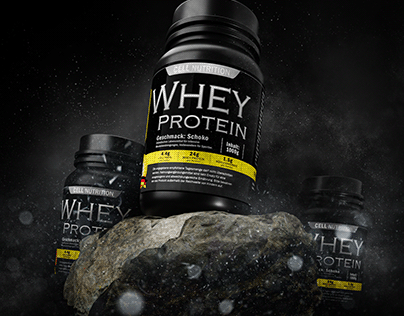
Whey protein is a high-quality protein derived from milk during the cheese-making process. When milk separates into curds and liquid, the liquid portion contains whey. This whey is filtered and dried to produce whey protein powder.
What makes whey protein unique is its complete amino acid profile, including all essential amino acids and naturally high levels of branched-chain amino acids (BCAAs) such as leucine. These properties make whey protein highly effective for muscle protein synthesis, which is the process responsible for muscle repair and growth.
Because it digests and absorbs quickly, whey protein is commonly consumed after workouts, when the body needs protein most.
How Whey Protein Supports Muscle and Performance
One of the primary reasons whey protein is widely used among gym-goers and athletes is its ability to support lean muscle development and physical performance. Scientific evidence consistently shows that adequate protein intake, when combined with resistance training, helps promote muscle repair and strength gains.
Multiple studies, including research on whey protein and muscle protein synthesis, indicate that whey protein supports muscle recovery and training adaptations when consumed as part of a balanced diet.
For active Kiwis, whey protein offers a convenient way to support:
Post-workout muscle recovery
Strength and endurance development
Maintenance of lean muscle mass during fat loss
Faster recovery between training sessions
Those looking for the best whey protein in New Zealand should prioritize quality, ingredient transparency, and suitability for their individual goals.
Whey Protein and Weight Management
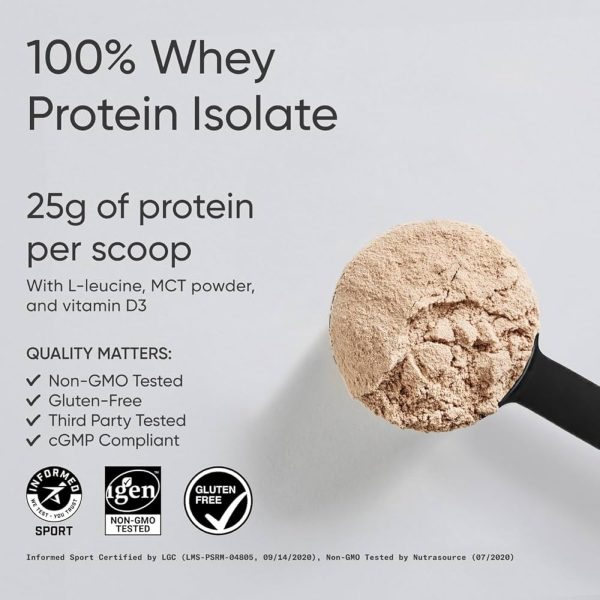
Whey protein is also commonly used as part of a healthy weight management strategy. Protein is known for its satiating effect, helping people feel fuller for longer. This can naturally reduce unnecessary snacking and support calorie control without extreme dieting.
Protein also requires more energy to digest than fats or carbohydrates, contributing to metabolic efficiency. As part of a balanced diet, whey protein helps preserve lean muscle while managing overall body composition. This is why it is often included alongside other health supplements for active lifestyles.
Immune and General Health Benefits
Beyond muscle support, whey protein contains bioactive compounds such as immunoglobulins and lactoferrin. These compounds are linked to immune system support and overall wellness.
Some studies suggest whey protein may help improve antioxidant levels in the body by increasing glutathione production, which plays a role in cellular protection. While whey protein is not a medical treatment, it can support general health when consumed responsibly as part of a nutrient-rich diet.
Is Whey Protein Safe?
For most healthy adults, whey protein is considered safe when consumed in appropriate amounts. However, moderation and product quality are important.
Who Should Be Careful?
Individuals with milk protein allergies
People with lactose intolerance (whey isolate may be better tolerated)
Anyone with existing kidney conditions should consult a healthcare professional before increasing protein intake
Excessive consumption may cause digestive discomfort such as bloating, cramps, nausea, or headaches. Choosing a high-quality whey protein powder and following recommended serving sizes helps minimize potential side effects.

Common Questions About Whey Protein
When should you take whey protein?
Whey protein is commonly taken after workouts, but it can also be used between meals to help meet daily protein requirements.
Can whey protein replace meals?
Whey protein can supplement meals but should not replace whole foods long-term. A balanced diet remains essential.
Is whey protein suitable for beginners?
Yes. When used correctly, whey protein is suitable for beginners and experienced athletes alike.
Final Thoughts
Whey protein remains one of the most researched and effective supplements for supporting muscle growth, recovery, and daily nutrition. For active Kiwis looking to maintain strength, manage weight, or improve overall dietary protein intake, whey protein offers a reliable and convenient option.
When used responsibly and combined with a balanced diet and regular exercise, whey protein can play a valuable role in supporting long-term health and performance.
