
Gut health plays a foundational role in digestion, immunity, mental wellbeing, and physical performance. Supporting your digestive system with quality nutrition—including protein, fiber, probiotics, and enzymes—helps the body absorb nutrients efficiently and perform at its best.
Gut health is often overlooked until discomfort appears. Most people associate digestion with occasional bloating, indigestion, or acid reflux. However, the reality is that your digestive system influences far more than how your stomach feels after a meal—it plays a critical role in overall health, energy levels, and long-term well-being.
What Is Gut Health and Why Is It Important?
The digestive system is an intricate network of organs that hosts 10 to 100 trillion bacterial cells, collectively known as the human microbiome. These bacteria do more than break down food—they support nutrient absorption, immune defense, hormone regulation, and cellular function throughout the body.
When gut health is balanced, the body can:
Absorb nutrients more efficiently
Maintain a stronger immune response
Regulate inflammation
Support metabolic and hormonal stability
This is why gut health is now recognized as a cornerstone of total wellness rather than just digestive comfort.
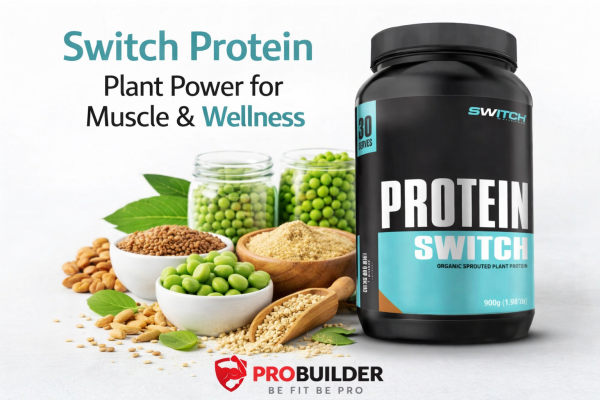
How Poor Gut Health Affects the Body and Performance
When the gut isn’t functioning optimally, the effects extend beyond digestion. Common consequences include increased susceptibility to illness, chronic inflammation, reduced energy levels, and slower recovery.
For physically active individuals, poor digestion can directly impact performance. During periods of digestive stress, the body diverts blood flow away from skeletal muscles to support digestion. This can reduce endurance, impair recovery, and increase the likelihood of overuse injuries.
Supporting digestive efficiency is therefore essential for both everyday health and physical performance—especially for those following high-protein or active lifestyles.
How Nutrition Supports a Healthy Gut
A well-balanced gut thrives on a combination of protein quality, fiber intake, and digestive support. While whole foods should always be the foundation, modern lifestyles don’t always allow for perfectly balanced meals.
High-quality protein sources that digest easily can reduce digestive strain while supporting muscle repair and metabolic health. Products designed to support digestion—such as protein blends that include fiber, probiotics, and digestive enzymes—can help bridge nutritional gaps when whole foods aren’t always available.
For readers looking to explore this further, see our guide on gut-friendly protein supplements and best protein powders for digestion.
The Role of Fiber, Probiotics, and Digestive Enzymes
Fiber plays a vital role in feeding beneficial gut bacteria and maintaining digestive regularity. A commonly cited guideline suggests approximately 1 gram of fiber per 100 calories consumed, making fiber-enriched nutrition especially valuable in modern diets.
Probiotics such as Lactobacillus acidophilus—commonly found in fermented foods like yogurt—help maintain microbial balance and support immune health. Digestive enzymes assist in breaking down protein, fats, and carbohydrates so nutrients can be absorbed more efficiently.
Research on probiotics and gut health continues to show that probiotics support gut balance and immune function when consumed consistently as part of a balanced diet, according to findings referenced by the National Institutes of Health.
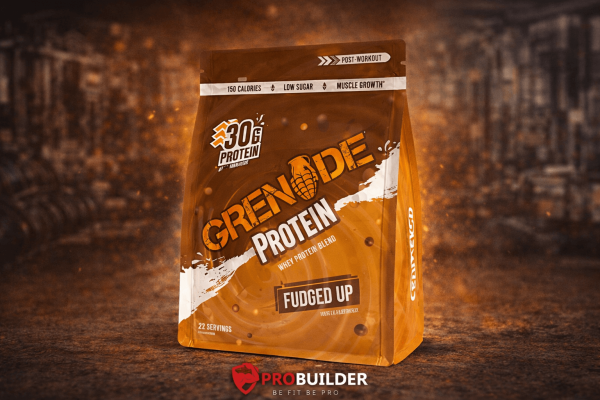
Gut Health and the Gut–Brain Connection
Gut health doesn’t only affect physical wellbeing—it also influences mental clarity and mood. Nearly 90% of the body’s serotonin, a hormone involved in mood regulation and emotional stability, is produced in the gut.
This connection, known as the gut–brain axis, explains why digestive balance is closely linked to stress management, focus, and overall mental well-being. When the microbiome is supported, the body is better equipped to regulate stress hormones and maintain cognitive performance.
Why Gut Health Matters for Nutrient Absorption
Even the cleanest diet can fall short if digestion is compromised. Poor gut function limits the body’s ability to extract vitamins, minerals, amino acids, and antioxidants from food.
Nutrition that includes prebiotic fiber, probiotics, and enzymes—such as formulations like TrueFit—helps ensure nutrients are properly processed and delivered to cells where they are needed most. This makes gut support especially valuable for individuals pursuing strength, endurance, or body composition goals.
You can learn more in our guide to nutrient absorption and digestion.
Gut Health, Appetite Control, and Weight Management
A healthy digestive system also plays a role in appetite regulation. When digestion is efficient, the body interprets hunger and fullness signals more accurately, helping reduce unnecessary cravings and overeating.
Combined with consistent physical activity and disciplined nutrition, a balanced gut environment supports sustainable weight management, immune resilience, and daily vitality.
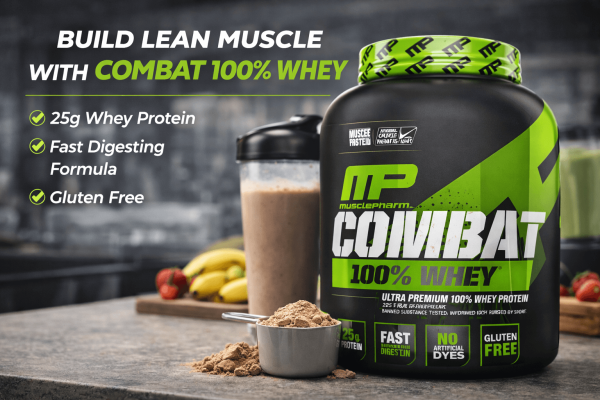
Final Thoughts: Building a Gut-Friendly Diet
A diet rich in fiber, fruits, vegetables, and whole foods remains the gold standard for gut health. However, when life gets busy or nutritional intake becomes inconsistent, gut-supportive protein blends can serve as a practical and effective addition.
For active individuals in New Zealand, Australia, and beyond, supporting digestion is especially important due to higher protein intake and physically demanding lifestyles. When chosen wisely, products like TrueFit can act as a reliable cornerstone of a gut-friendly nutrition plan—supporting digestion, performance, and overall wellbeing.
