
Mass Gainer vs Whey Protein: Which One is Better for Weight Gain in NZ?
If you’re trying to build muscle, gain healthy weight, or improve workout recovery, one of the most common questions you’ll come across is:
Should you take whey protein or a mass gainer?
Both supplements are widely used across New Zealand by gym beginners, athletes, rugby players, bodybuilders, and people trying to improve their overall nutrition. However, they are designed for very different goals.
Choosing the wrong supplement can lead to:
- slower muscle growth
- unnecessary fat gain
- poor recovery
- wasted money
- difficulty reaching your calorie targets
This guide explains the real difference between mass gainers and whey protein, who should use them, when they work best, and how to choose the right option based on your body type, training style, and fitness goals.
Whether you’re a skinny beginner struggling to gain weight or someone aiming for lean muscle growth, this article will help you make a more informed decision.
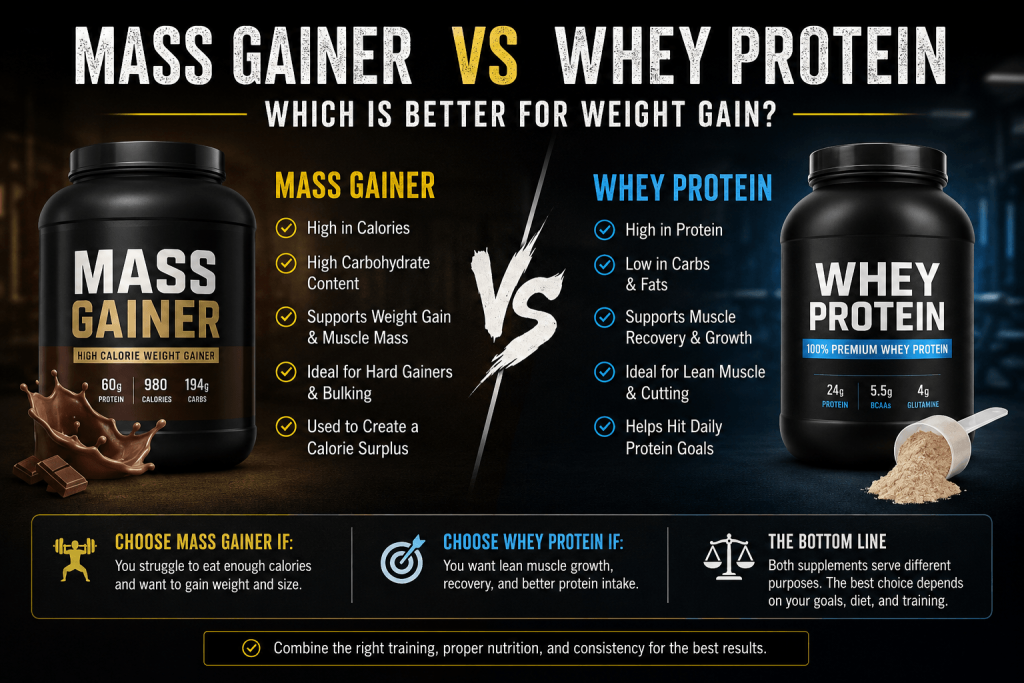
Quick Answer: Mass Gainer vs Whey Protein
Which is better for weight gain?
Mass gainers are generally better for increasing body weight and calorie intake, while whey protein is better for lean muscle growth, recovery, and increasing daily protein intake without excessive calories.
The right supplement depends on:
- your metabolism
- calorie intake
- training intensity
- body composition goals
- overall diet
What is Whey Protein?
Whey protein is a fast-digesting dairy-based protein supplement that helps support:
- muscle recovery
- protein synthesis
- lean muscle growth
- workout performance
It contains essential amino acids, including leucine, which plays an important role in muscle hypertrophy and recovery after resistance training.
Whey protein is one of the most researched sports nutrition supplements in the fitness industry and is commonly used by:
- gym beginners
- athletes
- runners
- rugby players
- bodybuilders
- people increasing daily protein intake
Unlike mass gainers, whey protein is typically:
- lower in calories
- lower in carbohydrates
- higher in protein concentration
Main Benefits of Whey Protein
1. Supports Lean Muscle Growth
Whey protein helps provide the amino acids needed for muscle repair and growth after workouts.
2. Faster Post-Workout Recovery
Because whey digests quickly, it is commonly consumed after workouts to support recovery nutrition.
3. Easier Daily Protein Intake
Many people in NZ struggle to consistently hit daily protein targets through food alone. Whey protein offers a convenient solution.
4. Lower-Calorie Option
For people wanting controlled calorie intake while building muscle, whey protein is usually more suitable than a high-calorie mass gainer.
Common Types of Whey Protein
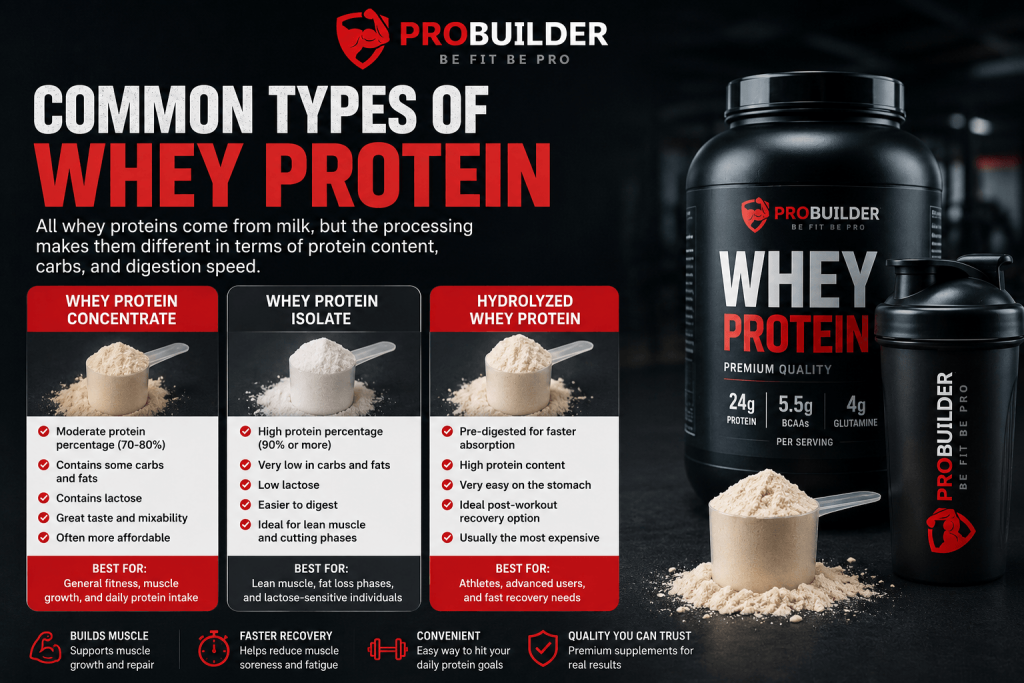
Whey Protein Concentrate
- Moderate protein percentage
- Contains some carbohydrates and fats
- Often more affordable
Whey Protein Isolate
- Higher protein percentage
- Lower lactose and carbohydrates
- Popular during lean muscle phases
Hydrolyzed Whey Protein
- Faster digestion
- Often used in advanced sports nutrition
You can also explore:
- Best Whey Protein NZ
- Whey Isolate vs Whey Concentrate
- Whey Protein for Beginners in NZ
What is a Mass Gainer?
A mass gainer is a high-calorie supplement designed to help people consume more calories, carbohydrates, and protein more easily.
Mass gainers are mainly used during:
- bulking phases
- muscle-building programs
- high-volume training
- calorie surplus diets
They are especially popular among:
- hard gainers
- skinny individuals
- teenagers with fast metabolism
- athletes struggling to gain size
- people with low appetite
Unlike whey protein, mass gainers contain:
- large amounts of carbohydrates
- moderate to high protein
- significantly more calories
- additional nutrients depending on the formula
Some mass gainers can contain over 1000 calories per serving.
Why Some People Struggle to Gain Weight
Many naturally skinny people in New Zealand believe they “eat a lot” but still fail to gain weight.
In reality, they often:
- underestimate calorie intake
- burn high amounts of energy daily
- have physically demanding jobs
- skip meals
- struggle with appetite consistency
For these individuals, drinking calories through a mass gainer can be easier than trying to eat multiple large meals daily.
This is one reason mass gainers remain popular among:
- university students
- tradies
- athletes
- busy professionals
- rugby and strength-training athletes
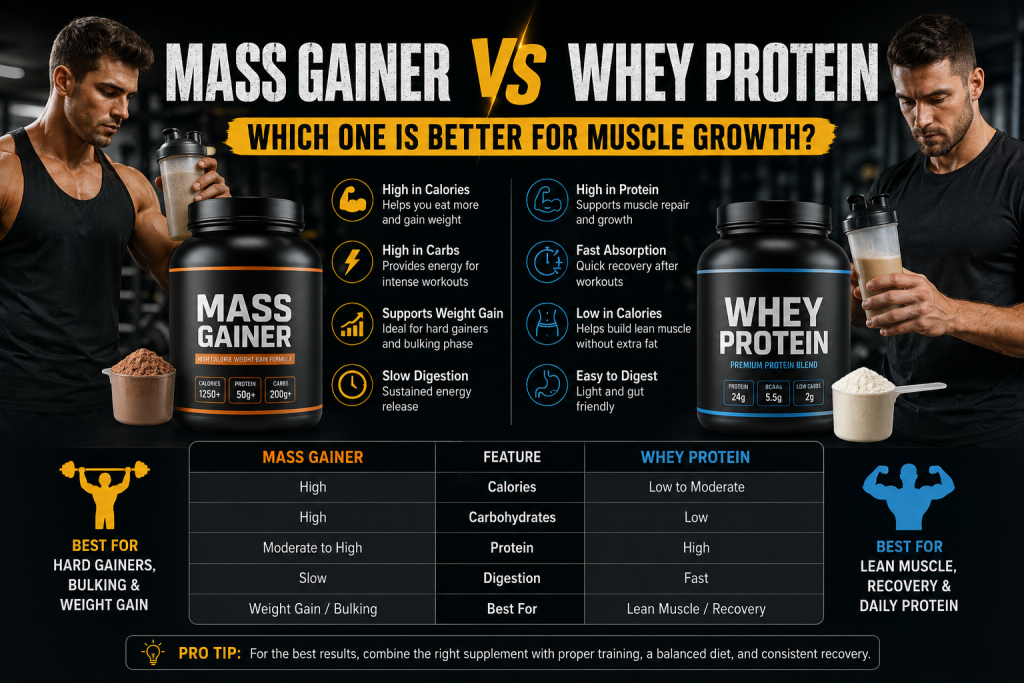
Mass Gainer vs Whey Protein: Key Differences
| Feature | Whey Protein | Mass Gainer |
|---|---|---|
| Main Purpose | Lean muscle support | Weight and size gain |
| Calories | Lower | Very high |
| Protein Content | High | Moderate to high |
| Carbohydrates | Low | Very high |
| Digestion Speed | Faster | Slower |
| Best For | Lean muscle goals | Bulking and calorie surplus |
| Ideal Users | Most gym users | Hard gainers and skinny individuals |
Which Supplement is Better for Muscle Growth?
Short Answer
Both can support muscle growth, but the better option depends on whether your body needs more protein or more calories overall.
Choose Whey Protein If:
You should generally choose whey protein if your goal is:
- lean muscle development
- improving recovery
- maintaining athletic performance
- increasing protein intake without excessive calories
Whey protein is often ideal for:
- office workers
- gym beginners
- athletes
- people managing body fat levels
- individuals with balanced calorie intake already
Choose a Mass Gainer If:
A mass gainer may suit you better if:
- you struggle to gain weight
- you have a fast metabolism
- you consistently fail to eat enough calories
- you are entering a bulking phase
- your training volume is high
Mass gainers are particularly helpful for:
- skinny beginners
- hard gainers
- rugby players
- strength athletes
- bodybuilders during off-season growth phases
Can Whey Protein Help You Gain Weight?
Yes — but indirectly.
Whey protein can support healthy weight gain if:
- you are eating in a calorie surplus
- you follow progressive resistance training
- your overall nutrition is consistent
However, whey protein alone is not designed as a high-calorie weight gain supplement.
Many beginners incorrectly assume protein automatically causes rapid weight gain, which is not always true.
Can Mass Gainers Cause Fat Gain?
Yes, they can — if calorie intake becomes excessive.
Mass gainers are designed to help create a calorie surplus. If your calorie intake greatly exceeds what your body burns daily, some of that excess energy may be stored as body fat.
This is why:
- training quality
- portion control
- overall diet
- workout consistency
still matter significantly.
The goal should be:
controlled muscle gain, not uncontrolled calorie intake.
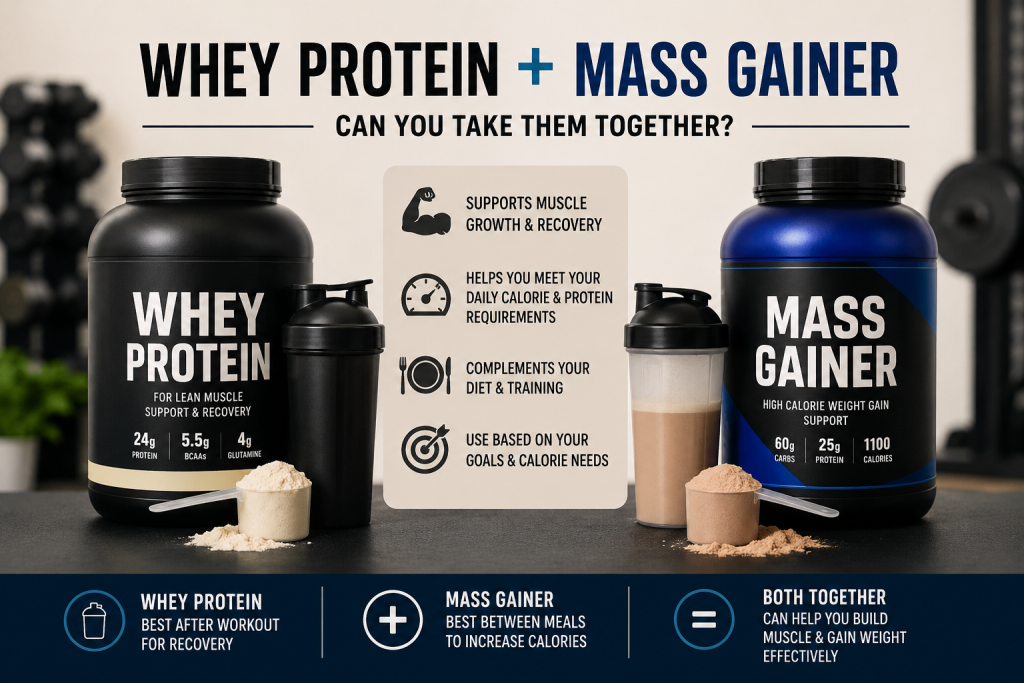
Can You Take Whey Protein and Mass Gainer Together?
Yes, many experienced gym-goers use both supplements strategically.
For example:
- whey protein after workouts
- mass gainer between meals or during high-calorie phases
This approach can help support:
- muscle recovery
- calorie intake
- protein intake
- bulking nutrition
However, supplements should always complement a balanced diet rather than replace whole foods completely.
Understanding supplement timing can significantly improve recovery, calorie utilization, and muscle growth during a bulking phase. You can also explore our complete guide on when to take mass gainers for maximum results to learn the best times to use mass gainers throughout the day.
Common Mistakes Beginners Make
1. Taking Mass Gainer Without Training
A high-calorie supplement without proper resistance training may increase fat gain more than muscle growth.
2. Ignoring Total Daily Calories
Muscle growth depends heavily on:
- total calorie intake
- protein intake
- training quality
- sleep and recovery
Supplements alone do not build muscle.
3. Choosing Based on Marketing Instead of Goals
Not every supplement suits every body type.
A naturally skinny person may benefit from extra calories, while someone already consuming enough calories may not need a mass gainer at all.
4. Replacing Real Meals Completely
Supplements should support a structured nutrition plan — not replace balanced meals long term.
Whole foods still provide:
- fibre
- micronutrients
- digestive benefits
- long-term health support
Best Option for Beginners in New Zealand
For most beginners in NZ:
- whey protein is usually the safest and most flexible starting supplement
- mass gainers become more useful when calorie intake is insufficient
If you are:
- naturally skinny
- highly active
- struggling to gain weight despite eating regularly
a quality mass gainer may help support your goals more effectively.
If your goal is:
- lean muscle
- recovery
- athletic performance
- controlled calorie intake
then whey protein is often the better long-term choice.
If you are struggling to gain size despite training consistently, choosing the right supplement can make a major difference. Our guide to the best mass gainers in New Zealand compares some of the most popular options for calorie intake, muscle growth, and bulking support in NZ.
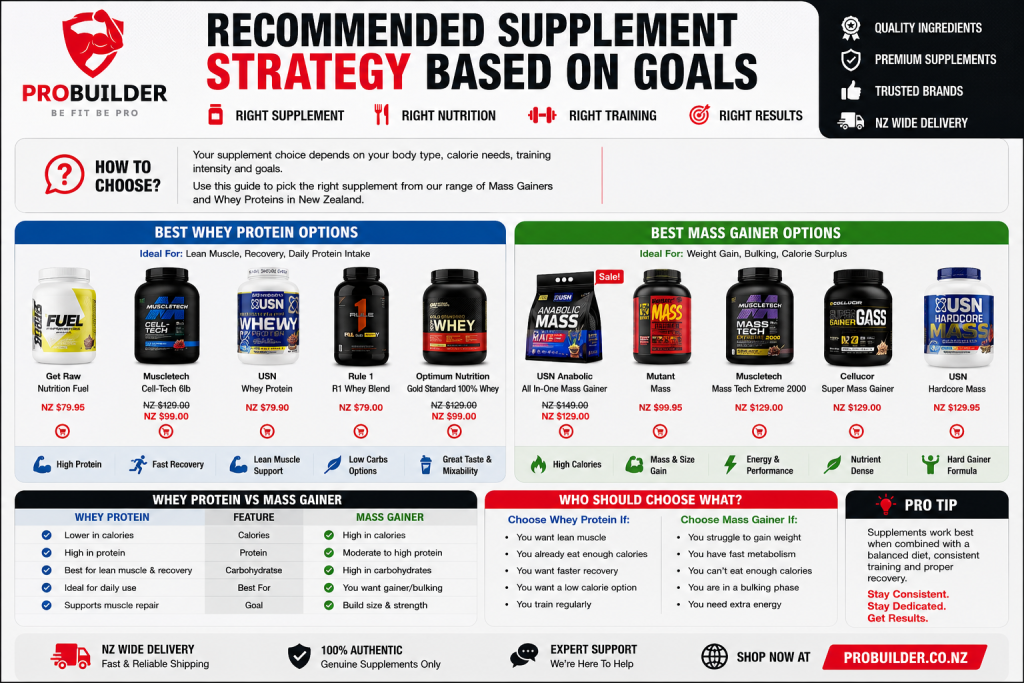
Recommended Supplement Strategy Based on Goals
Best for Lean Muscle Growth
- Whey Protein Isolate
- Balanced calorie intake
- Resistance training
Best for Bulking
- High-calorie mass gainer
- Structured calorie surplus
- Progressive strength training
Best for Skinny Beginners
- Moderate-calorie mass gainer
- Consistent meal plan
- Strength-focused workouts
Best for Athletes
- Whey protein for recovery
- Additional calories only when needed
Frequently Asked Questions
Mass gainers are better for increasing calorie intake and body weight, while whey protein is better for lean muscle growth and recovery.
Yes. Whey protein supports muscle recovery and protein intake, especially when combined with strength training and proper nutrition.
Mass gainers may increase body weight without training, but resistance training is essential for quality muscle growth.
Yes, but beginners should first determine whether they genuinely need additional calories before using high-calorie supplements.
For many people, yes. If calorie intake and training are adequate, whey protein can effectively support lean muscle development.
Yes. Many people use whey protein after workouts for recovery and use mass gainers to increase overall daily calorie intake when trying to gain size and muscle mass.
Final Thoughts
There is no universally “better” supplement between whey protein and mass gainers.
The best choice depends on:
- your body type
- calorie needs
- metabolism
- training intensity
- long-term fitness goals
Whey protein is usually better for:
- lean muscle growth
- workout recovery
- controlled nutrition
Mass gainers are generally more effective for:
- increasing calorie intake
- bulking phases
- helping hard gainers gain size
The most effective fitness results always come from:
- consistent training
- proper nutrition
- recovery
- realistic expectations
- long-term consistency
Supplements should support your overall fitness strategy — not replace healthy eating habits or structured training.
If you’re looking for quality sports nutrition supplements in New Zealand, explore the latest range of whey proteins, mass gainers, and performance supplements at ProBuilder NZ.

