
Starting your fitness journey often comes with one big question: should you take pre-workout supplements or post-workout supplements? With so many products on the market, it’s easy to feel overwhelmed—especially if you’re new to training. This guide explains the difference between pre-workout and post-workout supplements, how they work, and how beginners can use them safely and effectively.
What Are Pre-Workout Supplements?
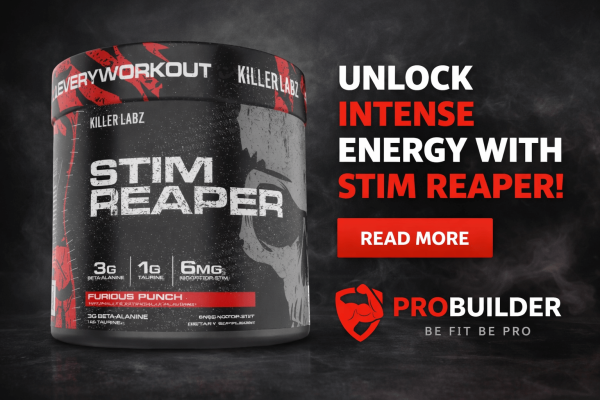
Pre-workout supplements are designed to support energy, focus, and endurance before exercise. They are commonly used by people who train early in the morning, perform high-intensity workouts, or struggle with fatigue during sessions.
Most pre-workout formulas include ingredients such as caffeine, amino acids, and nitric oxide boosters that help increase alertness and workout performance. For beginners, a low-stimulant or stimulant-free option is often the safest starting point.
Quick answer:
Pre-workout supplements help you feel more energized and focused during training, but beginners should start with small doses or food-based energy first.
What Are Post-Workout Supplements?
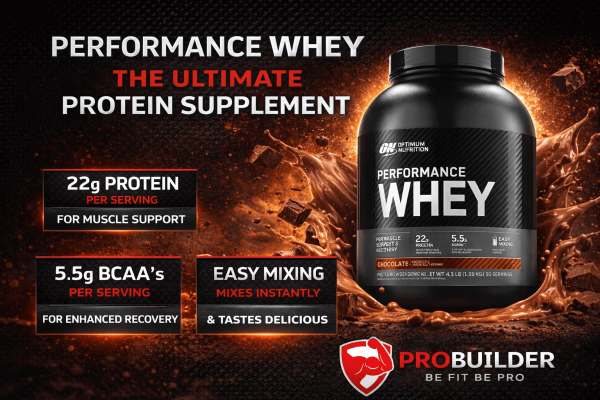
Post-workout supplements are taken after exercise to support muscle recovery, repair, and protein intake. These supplements are particularly helpful for people who struggle to meet daily protein requirements through food alone.
The most common post-workout supplement is whey protein, which is rapidly absorbed and supports muscle protein synthesis. Many beginners choose whey protein shakes after workouts to aid recovery without heavy meals.
👉 Learn more about whey protein basics here.
Quick answer:
Post-workout supplements help your muscles recover and rebuild after training, especially when protein intake from food is insufficient.
Pre-Workout vs Post-Workout: Which Is Better for Beginners?
For most beginners, post-workout supplements are more beneficial than pre-workouts. Recovery and nutrition matter more than stimulation in the early stages of training.
| Goal | Recommended Option |
|---|---|
| Low energy before workouts | Light pre-workout or food-based carbs |
| Muscle recovery | Post-workout protein |
| Poor appetite | Protein shakes |
| Fatigue or soreness | Recovery-focused supplements |
Do Beginners Really Need Supplements?
The short answer is no—supplements are not mandatory. Whole foods such as lean proteins, fruits, vegetables, whole grains, and healthy fats should always be the foundation of your diet.
Supplements are intended to support, not replace, proper nutrition and consistent training. If your meals already meet your energy and protein needs, supplements may not be necessary.
According to the U.S. National Institutes of Health, dietary supplements should be used cautiously and only when nutritional gaps exist.
Are Supplements Safe for Daily Use?
When used correctly, many supplements are safe for healthy adults. However, safety depends on:
-
Ingredient quality
-
Proper dosage
-
Individual tolerance
-
Existing medical conditions
Important: Always consult a certified nutritionist, dietitian, or healthcare professional before starting supplements—especially if you have allergies, are sensitive to caffeine, or take medications.
Weight gain supplements such as mass gainers are designed to provide high calories and protein to support muscle development.
A Note on Global Fitness Trends
Whether you’re training in New Zealand, Australia, the US, or elsewhere, beginner supplement principles remain the same: prioritize nutrition, train consistently, and use supplements only when needed. Regional product availability may vary, but the fundamentals of performance nutrition are universal.
Final Thoughts
Pre-workout and post-workout supplements can enhance your fitness routine when used responsibly. Pre-workouts support energy and focus, while post-workouts aid recovery and muscle repair. For beginners, post-workout protein is usually the better starting point.
Ultimately, supplements work best when combined with:
-
Consistent training
-
Balanced nutrition
-
Adequate rest
Supplements are tools—not shortcuts. Build your foundation first, then supplement wisely.

